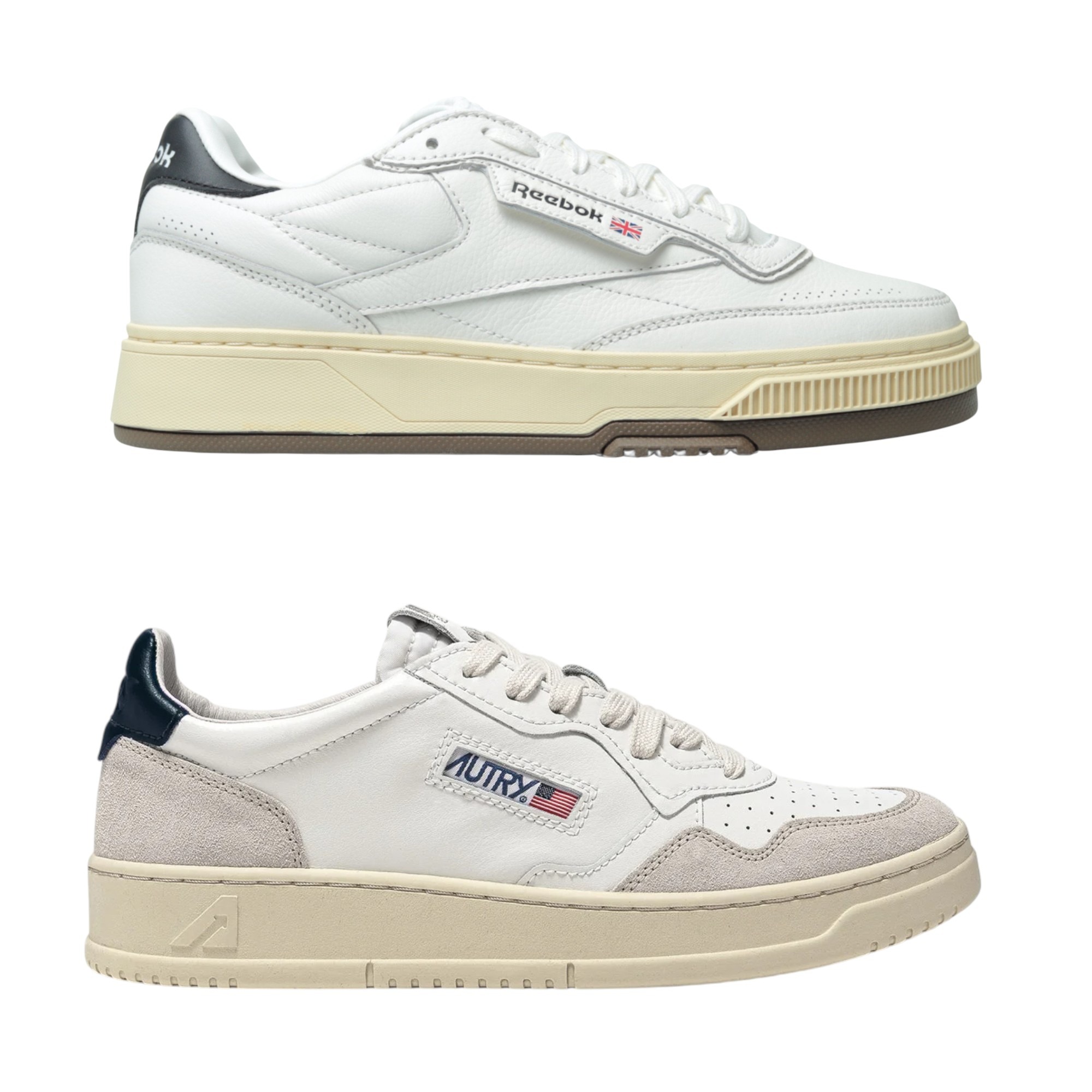
Reebok vs Autry: when a sneaker becomes a trademark battle
In the world of sneakers and fashion, the legal dispute between Reebok and Autry has sparked an interesting debate about design, distinctive marks, and competition. Let’s look at what happened, what the accusations are, and what it means for the industry.
The parties involved
Reebok: a historic brand in sportswear and footwear, which over time has developed recognizable graphic and design trademarks (stripe, check, side window).
Autry: a brand founded in the United States in 1982 and later revived by Italian entrepreneurs, today a symbol of retro-vintage style inspired by the 1980s.
Reebok’s accusations
In May 2023, Reebok filed a lawsuit in the U.S. District Court for the District of Massachusetts against Autry USA LLC and Autry International S.r.l. (case no. 1:23-cv-10966).
- Autry allegedly infringed Reebok’s registered trademarks related to the “Window Box,” “Crosscheck,” and “Stripecheck.”
- Autry’s shoes were said to be “confusingly similar” to Reebok models, targeting the same consumers and sales channels.
- Autry allegedly used a U.S. flag instead of the Union Jack, creating confusion about the origin of the products.
- Reebok requested a permanent injunction, product recall, and damages.
Comparative gallery: Reebok vs Autry
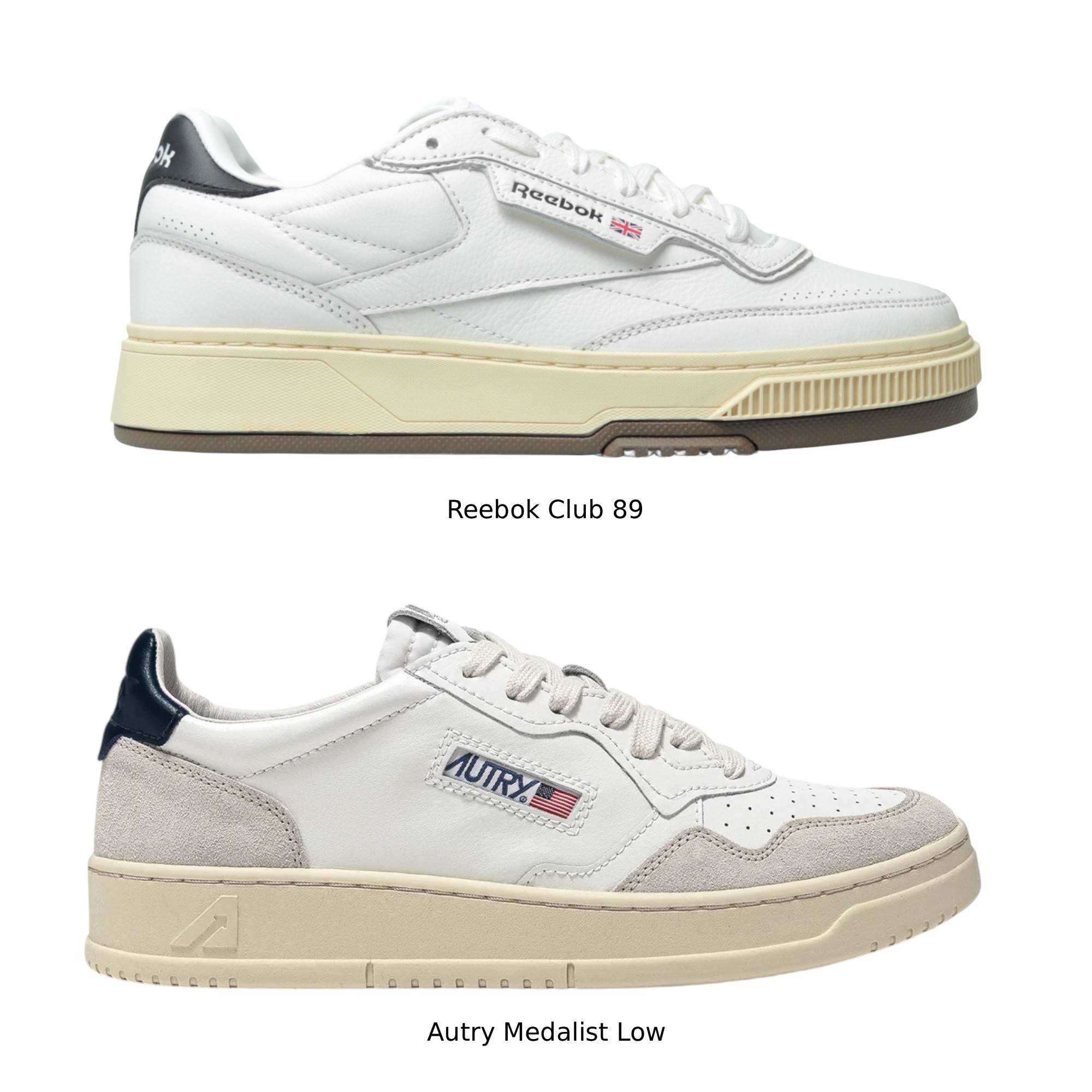
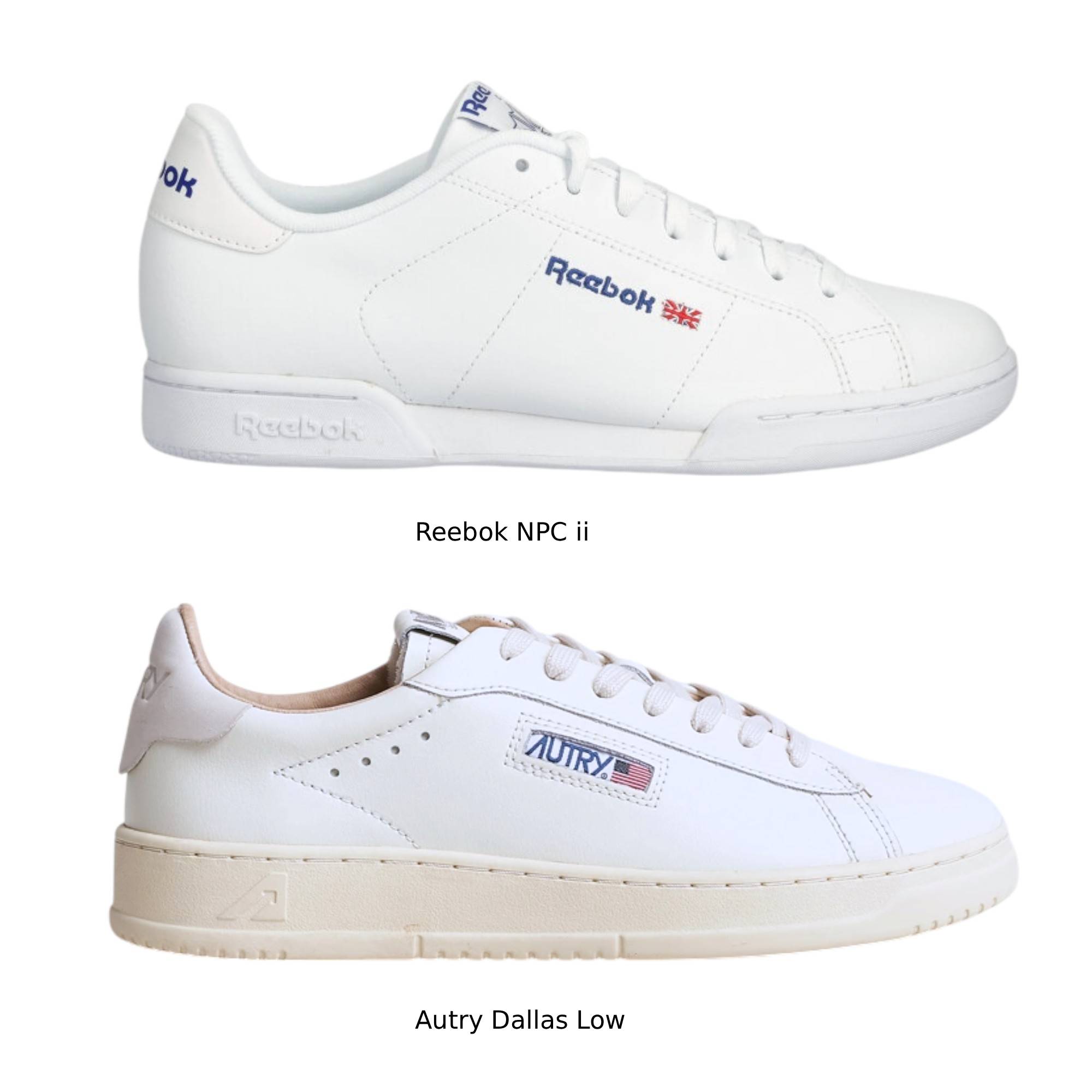
A visual comparison of the models that sparked the legal dispute. Notice the similarity?
| Brand | Model | Distinctive elements | Contested similarities |
|---|---|---|---|
| Reebok | Club C 89 | Reebok logo with Union Jack, rectangular side window, 1980s silhouette | Side window and shoe proportions |
| Autry | Medalist Low | Logo with U.S. flag, similar side window, flat vintage sole | Overall design and logo placement |
| Reebok | NPC II | Curved side line (“Crosscheck”), padded tongue | Curved logo line |
| Autry | Dallas Low | Boxed side logo, tone-on-tone trims | Side panel and heel structure |
Autry’s defense and developments
Autry denied the accusations, arguing that:
- The contested elements do not belong exclusively to Reebok and have been common in the industry for decades.
- The Massachusetts court’s jurisdiction was not applicable (an objection rejected by the judge).
- Reebok accused Autry of delays and omissions in producing documents, seeking daily sanctions.
Outcome: settlement and implications
In 2024, the parties reached a confidential settlement, closing the case without a public ruling on the merits.
- The settlement avoided further reputational damage and legal costs for both brands.
- The financial terms and any design changes were not disclosed.
- The case highlights the value of visual trademarks and “trade dress” in the sneaker industry.
Implications for the fashion world
This dispute sheds light on several key aspects of the fashion system:
- Visual brand identity: graphic and structural elements can become as distinctive as a logo.
- Competition and inspiration: the line between homage and imitation is increasingly thin.
- Made in & storytelling: Autry’s use of the U.S. flag underscores the importance of perceived origin.
- Design and IP protection: legal protection also covers visual configurations and element combinations.
- The ethics of the “knockoff”: in fashion, copying can harm originality and brand reputation.
What do you think about the dispute between Reebok and Autry?
Do you believe it’s inspiration or actual copying?
comments (0)